Paris Times

Liberté, Égalité, Fraternité
Wednesday, Nov 11, 2026

Hungary Turns the Page: A New Political Era Begins with Momentum and Expectations

Hungary Turns the Page: A New Political Era Begins with Momentum and Expectations

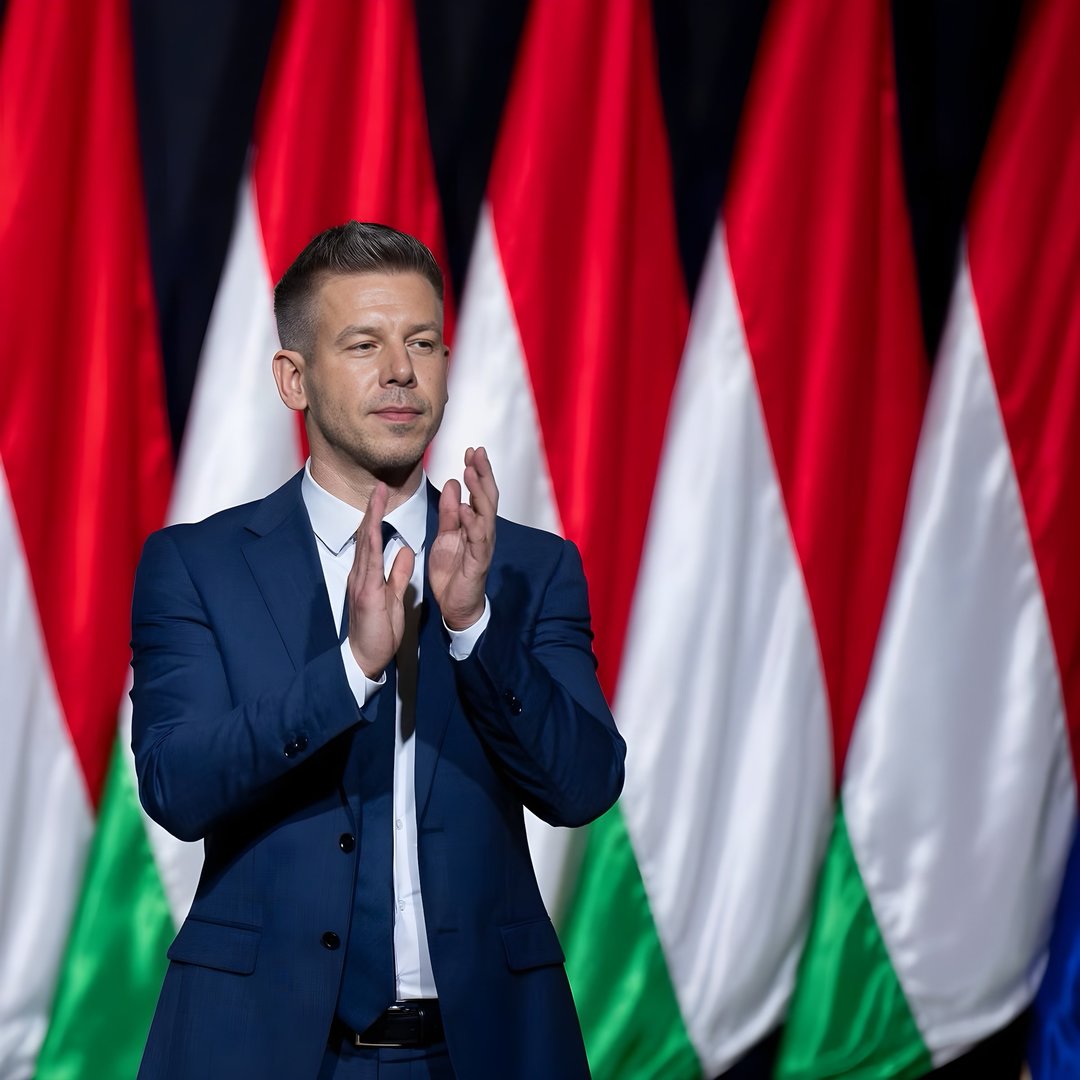
Hungary has entered a decisive new chapter in its modern political history. Following a landmark electoral victory, Péter Magyar and his Tisza party have brought an end to Viktor Orbán’s 16-year tenure—an era that shaped the country’s institutions, identity, and global positioning.

With a commanding 52% of the vote and a two-thirds parliamentary majority, the new leadership is not easing into power—it is accelerating into it. The transition signals not only a shift in political authority but a broader recalibration of Hungary’s direction, governance model, and international alignment. 

A Mandate for Change, Not Just Replacement

This election result is more than a routine political turnover. It reflects a strong public mandate for renewal—particularly among younger voters, who overwhelmingly supported Tisza. Their message is clear: a desire for modernization, transparency, and a more outward-looking Hungary.

Magyar’s early moves indicate a leadership style defined by urgency and structural ambition. Plans are already underway to restore institutional checks and balances, strengthen anti-corruption mechanisms, and realign Hungary with European legal and governance standards. 

Rebuilding Trust in Institutions

One of the central challenges ahead lies in restoring confidence—in governance, in public media, and in the rule of law. Proposals to reform state-controlled media and ensure editorial independence point toward a more pluralistic information environment.

Equally significant is the commitment to tackling corruption. The establishment of mechanisms to recover misused public funds, alongside potential cooperation with European investigative bodies, signals a shift toward accountability and financial transparency.

Economic Realities and Strategic Priorities

The incoming government inherits an economy facing structural strain. Immediate priorities include stabilizing growth, restoring investor confidence, and unlocking significant EU funding currently tied to governance reforms.

Energy security is also high on the agenda. While continuity remains in maintaining critical oil flows, the new leadership is clearly focused on diversification—reducing dependency and strengthening resilience through alternative supply routes. 

A Political Reset—For Both Sides

For Viktor Orbán and his Fidesz party, this moment represents both an end and a potential beginning. Orbán himself has acknowledged the historical nature of the defeat, describing it as the close of an era. The party now faces a period of introspection, renewal, and repositioning within a new political landscape.

At the same time, the absence of a clear successor underscores how deeply Orbán’s leadership defined the party—making its transformation both necessary and complex.

The Energy of a New Generation

Perhaps the most powerful signal emerging from this transition is generational. The strong youth turnout and support for Tisza reflect a Hungary that is evolving—socially, politically, and culturally.

The slogans heard in the streets—expressing national pride, European connection, and geopolitical independence—suggest a population seeking balance: rooted in identity, but open to the world.

High Expectations, Real Pressure

With a supermajority comes exceptional power—but also heightened scrutiny. The Tisza government now faces the challenge of converting political momentum into measurable results.

Speed will matter. Execution will matter more.

Hungary stands at a rare intersection: a moment where political change aligns with public expectation and structural opportunity. If managed effectively, this transition could redefine the country’s trajectory for years to come—not as a reaction to the past, but as a deliberate step into a more balanced, transparent, and forward-looking future.

Newsletter

Related Articles

0:00
0:00
Close
Germany's Vanishing Shopfronts: The Silent Collapse of the Businesses That Built Its Cities
TSA Unveils Major Airport-Security Overhaul as It Drops Gold+ Privatization Plan
German Broadcaster Goes Dark to Warn AfD Could End Its Saxony-Anhalt Service
Prime Minister Andy Burnham to Give Ukraine Classified Storm Shadow Blueprints for Domestic Missile Production
Brighton Thrash Aston Villa in Four-Goal Opening Half as Manchester City Trail Bournemouth
Ukraine's Ousted Defence Minister Calls for Wartime Presidential Election
Cristiano Ronaldo and Georgina Rodríguez Sign Prenup Protecting Their Separate Fortunes
Thieves Steal Antonello da Messina Renaissance Masterpieces From Sicilian Museum
Google Launches Pixel 11 With Gemini AI at the Center of Its Hardware Strategy
France's Constitutional Council Blocks Social Media Ban for Children Under 15
Liechtenstein Changes Royal Succession Rules to Allow Women to Inherit the Throne
Couples Embrace ‘Sleep Divorce’ to Protect Rest and Reduce Tension
Success: Nvidia Turned Gaming Chips Into the Engine of the AI Boom
AI’s Next Bottleneck Is Power, Not Just Nvidia Chips
Meta Raises AI Spending Target to as Much as $145bn Despite Pressure Over Returns
Danube Drought Exposes Nazi Wrecks and Pushes Central Europe’s Power System to the Brink
Joe Biden’s Cancer Has Spread Beyond His Bones, Hunter Biden Says
Why 2027 Could Be a Strong Year for Stocks—and Why the Forecast Is Fragile
Why Markets May Look Quiet in August After Big Tech Earnings
Trump-Era Policy Shifts Test the Boundaries of U.S. Institutions
UK Drought Cuts Harvests and Raises Food-Security Fears
Ukraine Tells Senate Republicans Its Drone War Offers a Blueprint for America
Weight-Loss Drug Boom Tests the Limits of Prescription Advertising Rules
Scotland’s ‘Cock of the North’ Woodland Is Being Felled After Wind Damage
Senate Scrutinises AI-Driven Personalised Pricing
Spain Seeks Mainland Transfers for 1,100 Children Stranded in Ceuta
Spain and Morocco Trade Blame After 72,000 Migrants Enter Ceuta
AI Is Remaking the US Economy, From GDP Growth to iPhone Prices
Reform UK Wants the Royal Navy to Return Channel Boats to France
Europe’s Heat and Drought Are Now Disrupting Power, Shipping and Tourism
World War II munitions discovered after wildfires in southern France
Record-Low Danube Forces Nuclear Cuts and Emergency Power Curbs
Danube Drought Forces Hungary’s Paks Nuclear Plant Into Full Shutdown
Ceuta Death Toll Rises as Spain and Europe Clash Over Border Response
Valued at $109 Million: F-35B Fighter Jet Crashes in Southern California
Record-Low Danube Exposes Probable Mammoth Remains in Bulgaria
US Says It Has Carried Out Heavy Strikes on Iran After Attempted Attacks on Its Forces
Over 24 Hours in the Air: Qantas Airbus Completes Record-Breaking Test Flight
Massive Wildfires Ravage Southern Europe: Fatalities in Greece and Evacuations Across France, Spain, and Turkey
Trump says Israel ‘would not survive’ without US
France Evacuates Atlantic Coast Resorts as Wildfire Risk Rises Again
Nvidia Reportedly Takes Vast Texas Data-Centre Lease to Underwrite AI Expansion
FIFA’s Private-Investment Plan for World Cup Rights Draws European Revolt
Fresh Heatwave Threatens to Rekindle France’s Historic Wildfire Crisis
Following OpenAI's Cyberattack: 'Most Companies Still Do Not Understand What Is Coming'
War, Power and the Rising Price of Political Decisions
OpenAI Sued After ChatGPT Allegedly Discouraged Emergency Care Before Near-Fatal Embolism
Miliband Sets Climate and International Law at Centre of UK Diplomacy
Czech Central Bank Governor Rejects Early Euro Entry and Rate-Cut Pressure
Trump Readies New Tariffs as Temporary Global Levy Nears Expiry
×