
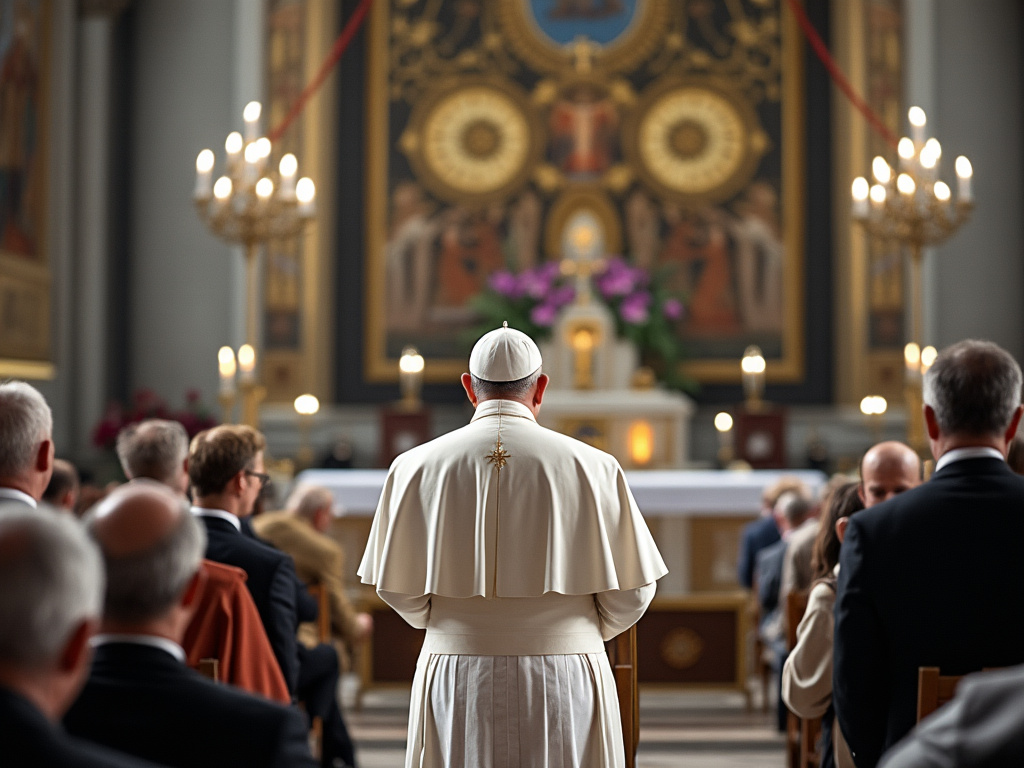
Preparations Underway for Papal Conclave as Cardinals Gather in Vatican
Cardinals to convene in the Sistine Chapel to elect the next pope following the death of Pope Francis.
The Vatican is set to host a papal conclave on May 7, 2025, as the Roman Catholic Church prepares to elect its 267th pope following the death of Pope Francis.
The proceedings will commence at 4:30 PM in the Sistine Chapel, where 133 electors, all cardinal members aged under 80, will gather to participate in the election.
These electors represent 70 different countries, reflecting the global nature of the Church.
The election process, governed by the 'Universi Dominici Gregis,' is meticulously outlined in the apostolic constitution that defines the conduct of the conclave.
This document stipulates the procedural framework, detailing everything from the period of mourning following the pope's passing to the voting mechanics that will lead to the selection of his successor.
In order to secure a papal election, the cardinal electors must achieve a two-thirds majority, amounting to 89 votes.
This requirement underscores the need for broad consensus among the cardinals, navigating various theological and political considerations inherent within the Church's leadership structure.
While the formal proceedings of the conclave adhere to established rules, unofficial dynamics are anticipated to play a significant role in the discussions and decision-making processes leading up to the election.
The conclave often engages in diplomatic maneuvering and alliances, as the cardinal electors work towards identifying a candidate who not only meets the religious criteria but also resonates with the diverse global Catholic community.
The eyes of the world will be focused on the Vatican as the conclave unfolds, with implications for Catholicism and its approximately 1.3 billion followers worldwide.
Following the conclusion of the elections, the identity of the new pope will be announced to the public, marking a pivotal moment in the life of the Church.
The proceedings will commence at 4:30 PM in the Sistine Chapel, where 133 electors, all cardinal members aged under 80, will gather to participate in the election.
These electors represent 70 different countries, reflecting the global nature of the Church.
The election process, governed by the 'Universi Dominici Gregis,' is meticulously outlined in the apostolic constitution that defines the conduct of the conclave.
This document stipulates the procedural framework, detailing everything from the period of mourning following the pope's passing to the voting mechanics that will lead to the selection of his successor.
In order to secure a papal election, the cardinal electors must achieve a two-thirds majority, amounting to 89 votes.
This requirement underscores the need for broad consensus among the cardinals, navigating various theological and political considerations inherent within the Church's leadership structure.
While the formal proceedings of the conclave adhere to established rules, unofficial dynamics are anticipated to play a significant role in the discussions and decision-making processes leading up to the election.
The conclave often engages in diplomatic maneuvering and alliances, as the cardinal electors work towards identifying a candidate who not only meets the religious criteria but also resonates with the diverse global Catholic community.
The eyes of the world will be focused on the Vatican as the conclave unfolds, with implications for Catholicism and its approximately 1.3 billion followers worldwide.
Following the conclusion of the elections, the identity of the new pope will be announced to the public, marking a pivotal moment in the life of the Church.