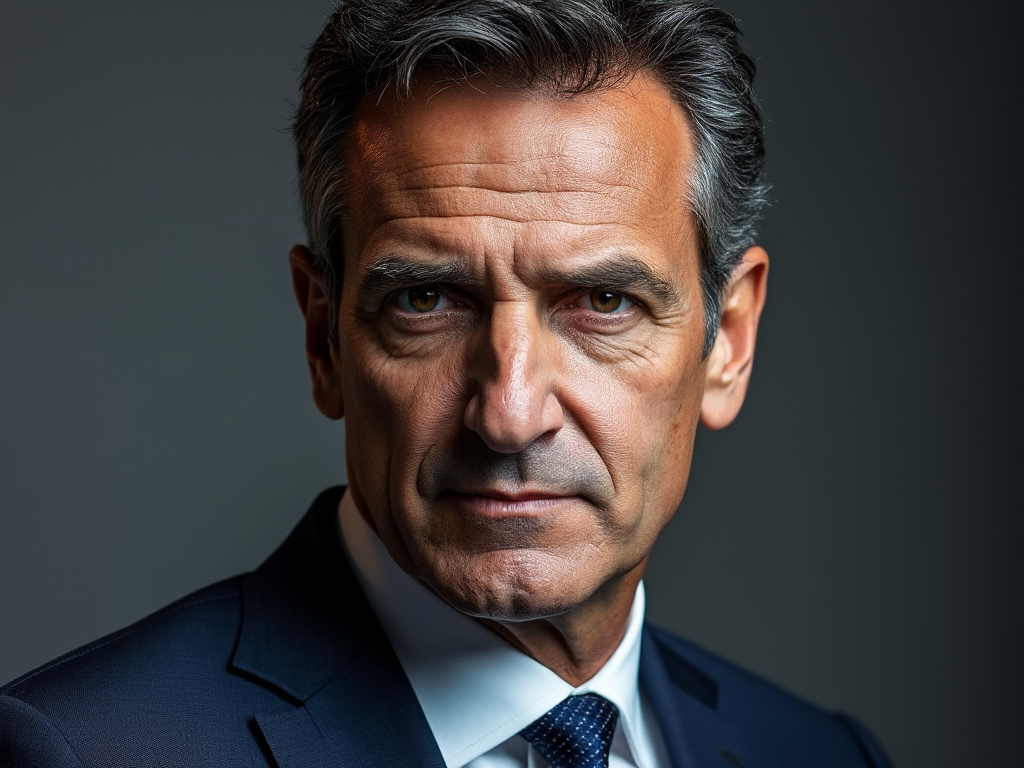
Prosecutors Seek Seven-Year Sentence for Nicolas Sarkozy in Libyan Funding Case
The former French president faces severe penalties amid allegations of corruption linked to his 2007 electoral campaign.
In a high-profile corruption case, the French national financial prosecutor's office (PNF) has requested a seven-year prison sentence and a fine of €300,000 for former President Nicolas Sarkozy.
The charges relate to allegations that his 2007 presidential campaign was financed by the Libyan regime of former dictator Muammar Gaddafi.
The prosecution has also sought a five-year ban on Sarkozy holding public office.
On March 27, 2025, during the final stages of the case, prosecutor Sébastien de La Touanne presented a bleak portrayal of the situation, accusing Sarkozy of engaging in a 'frenzied quest for financing' to fulfill an 'insatiable political ambition.' The prosecution contended that only a strict prison sentence and fine could ensure the protection of society.
In addition to Sarkozy, sentences were also sought for other key figures involved in the case, including six years of imprisonment and a €100,000 fine for Claude Guéant, Sarkozy's former chief of staff, and three years of prison along with a €150,000 fine for Brice Hortefeux, a former minister.
Eric Woerth, the former treasurer of Sarkozy's campaign, faced one year in prison and a fine of €3,750.
During the twelve-week hearing, prosecutors characterized Sarkozy as a 'true decision-maker' and a 'mastermind' of what they described as an 'inconceivable, unheard-of, and indecent' corrupt agreement with the Gaddafi regime.
They detailed supposed diplomatic, legal, and economic advantages promised to Libya in return for financial support for Sarkozy’s campaign, claiming that evidence of cash payments formed part of the circumstantial evidence against him.
Sarkozy has publicly disputed the allegations, asserting that he does not recognize the severity of the charges against him.
He has characterized the prosecution’s requested penalties as excessive and suggested that the accusations are based on flawed reasoning.
The public prosecutor's office had previously called for Sarkozy's conviction on charges including corruption, concealment of public funds misappropriation, illegal campaign financing, and conspiracy.
As Sarkozy faced a maximum potential penalty of ten years in prison and fines totaling €375,000, he reiterated his intent to prove his innocence, stating that the legal process may take time but he is determined to succeed.
His defense is scheduled to present its arguments on April 8, the final day of the trial.
This trial marks Sarkozy's fifth in the past five years, and he has been under electronic surveillance since February 7, following his conviction on related charges of corruption and influence peddling in an earlier case known as 'the wiretaps.' Prosecutors noted that behind the public image of Sarkozy lies a determination to prioritize personal ambition over essential values such as honesty and integrity.
The charges relate to allegations that his 2007 presidential campaign was financed by the Libyan regime of former dictator Muammar Gaddafi.
The prosecution has also sought a five-year ban on Sarkozy holding public office.
On March 27, 2025, during the final stages of the case, prosecutor Sébastien de La Touanne presented a bleak portrayal of the situation, accusing Sarkozy of engaging in a 'frenzied quest for financing' to fulfill an 'insatiable political ambition.' The prosecution contended that only a strict prison sentence and fine could ensure the protection of society.
In addition to Sarkozy, sentences were also sought for other key figures involved in the case, including six years of imprisonment and a €100,000 fine for Claude Guéant, Sarkozy's former chief of staff, and three years of prison along with a €150,000 fine for Brice Hortefeux, a former minister.
Eric Woerth, the former treasurer of Sarkozy's campaign, faced one year in prison and a fine of €3,750.
During the twelve-week hearing, prosecutors characterized Sarkozy as a 'true decision-maker' and a 'mastermind' of what they described as an 'inconceivable, unheard-of, and indecent' corrupt agreement with the Gaddafi regime.
They detailed supposed diplomatic, legal, and economic advantages promised to Libya in return for financial support for Sarkozy’s campaign, claiming that evidence of cash payments formed part of the circumstantial evidence against him.
Sarkozy has publicly disputed the allegations, asserting that he does not recognize the severity of the charges against him.
He has characterized the prosecution’s requested penalties as excessive and suggested that the accusations are based on flawed reasoning.
The public prosecutor's office had previously called for Sarkozy's conviction on charges including corruption, concealment of public funds misappropriation, illegal campaign financing, and conspiracy.
As Sarkozy faced a maximum potential penalty of ten years in prison and fines totaling €375,000, he reiterated his intent to prove his innocence, stating that the legal process may take time but he is determined to succeed.
His defense is scheduled to present its arguments on April 8, the final day of the trial.
This trial marks Sarkozy's fifth in the past five years, and he has been under electronic surveillance since February 7, following his conviction on related charges of corruption and influence peddling in an earlier case known as 'the wiretaps.' Prosecutors noted that behind the public image of Sarkozy lies a determination to prioritize personal ambition over essential values such as honesty and integrity.