
Papal Conclave Begins: Cardinals Vote in Seclusion
The 133 cardinal electors engage in decisive voting as the selection process for the next pope commences.
On May 7, 2025, at 5:42 PM local time, the master of papal celebrations, Diego Ravalli, announced the traditional "Extra omnes," signaling the exit of all non-electors from the Sistine Chapel.
Following this, the heavy doors of the chapel closed, marking the commencement of the papal conclave under strict privacy conditions.
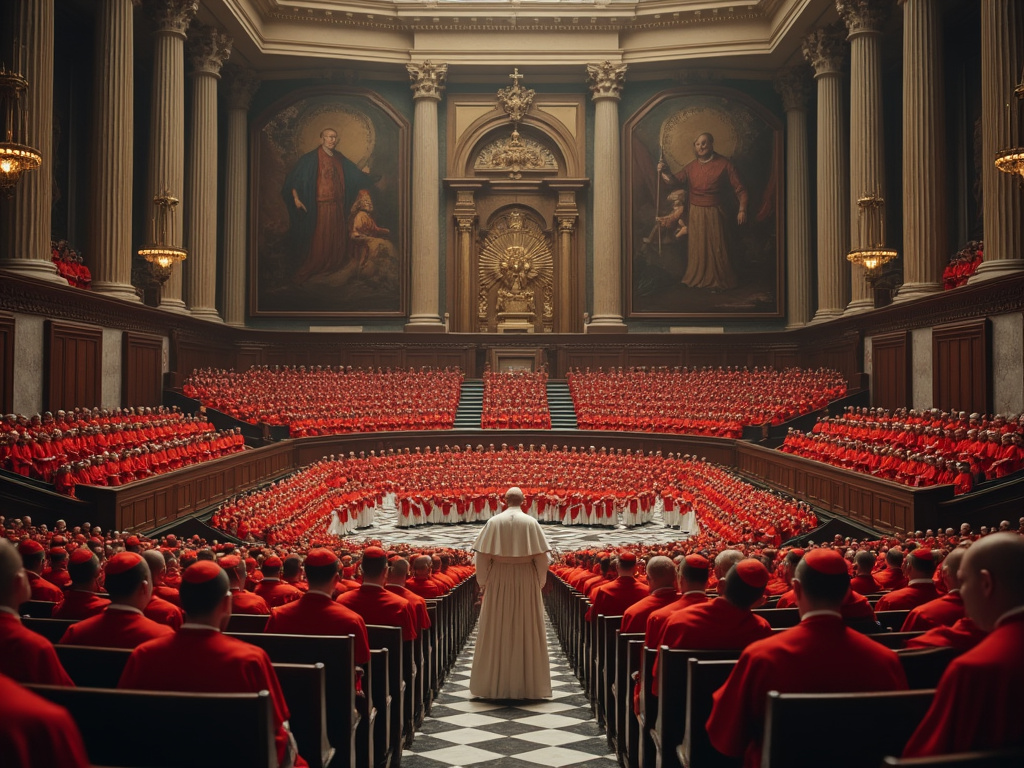
The 133 cardinal electors, clad in red vestments and white surplices, are now isolated for critical voting that is expected to illuminate the power dynamics within the College of Cardinals.
For the initial ballot, it is widely understood that garnering at least twenty votes is essential to remain competitive in subsequent ballots.
To be elected as the successor to Pope Francis, a candidate must achieve a two-thirds majority, amounting to 89 votes, a challenging threshold given the diversity of the cardinal electorate.
Pope Francis, over his tenure, appointed 81% of the current electors, leading to a varied representation among the 133 cardinals whose backgrounds span different regions and theological perspectives.
This new composition of the College reflects a shift towards inclusivity and broader global representation within the Catholic Church.
Meanwhile, in St. Peter's Square, Clothilde, a new Catholic convert, watches the proceedings on large screens.
"I cannot vote.
But I pray for the cardinals to choose humbly and freely," she stated, highlighting the global interest and involvement in this significant moment within the Church's hierarchy.
The conclave's decisions are set to have lasting implications for the direction of the Catholic Church in the years to come as its leadership navigates contemporary challenges and opportunities.
Following this, the heavy doors of the chapel closed, marking the commencement of the papal conclave under strict privacy conditions.
The 133 cardinal electors, clad in red vestments and white surplices, are now isolated for critical voting that is expected to illuminate the power dynamics within the College of Cardinals.
For the initial ballot, it is widely understood that garnering at least twenty votes is essential to remain competitive in subsequent ballots.
To be elected as the successor to Pope Francis, a candidate must achieve a two-thirds majority, amounting to 89 votes, a challenging threshold given the diversity of the cardinal electorate.
Pope Francis, over his tenure, appointed 81% of the current electors, leading to a varied representation among the 133 cardinals whose backgrounds span different regions and theological perspectives.
This new composition of the College reflects a shift towards inclusivity and broader global representation within the Catholic Church.
Meanwhile, in St. Peter's Square, Clothilde, a new Catholic convert, watches the proceedings on large screens.
"I cannot vote.
But I pray for the cardinals to choose humbly and freely," she stated, highlighting the global interest and involvement in this significant moment within the Church's hierarchy.
The conclave's decisions are set to have lasting implications for the direction of the Catholic Church in the years to come as its leadership navigates contemporary challenges and opportunities.