EU Imposes €458 Million Fine on 15 Automakers Over Recycling Cartel
Major automakers including Volkswagen, Renault/Nissan, and Stellantis sanctioned for colluding on car recycling practices from 2002 to 2017.
The European Commission has levied a total fine of €458 million against 15 European automakers for engaging in anti-competitive practices related to the recycling of end-of-life vehicles over a 15-year period, spanning from 2002 to 2017. The fines include significant penalties for several major manufacturers, with Volkswagen facing the largest fine of €127.7 million, followed by Renault/Nissan with €81.5 million, and Stellantis at €74.9 million.
Mercedes-Benz notably avoided a fine, having disclosed the cartel's existence to authorities.
The investigation revealed that these automobile manufacturers coordinated their actions to avoid paying for recycling services for vehicles that were no longer operational.
According to the Commission, this collusion effectively inhibited competition within the industry.
The European Automobile Manufacturers Association (ACEA), which facilitated information sharing among the involved parties, also received a fine of €500,000 for its role in the infringement.
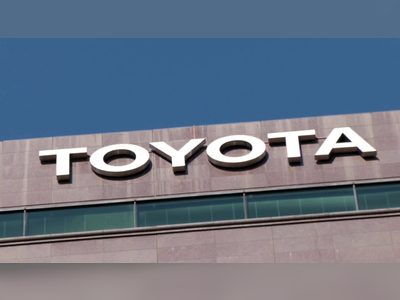
Other companies facing fines include Ford with €41.5 million, BMW with €24.6 million, and Toyota with €23.5 million.
Commissioner for Competition, Teresa Ribera, commented that firm actions were taken against companies that conspired to hinder competition in recycling markets.
The automakers had allegedly agreed not to remunerate dismantling centers, believing that the service was sufficiently profitable on its own.
Additionally, they were found to have coordinated efforts to downplay the quantity of recycled materials used in new cars, thereby limiting consumer awareness of environmental considerations in purchasing decisions.
The European Commission emphasizes that the vehicles must undergo proper recycling and disposal processes in order to mitigate waste and recover valuable materials such as metals, plastics, and glass.
The infractions have raised concerns about the long-term implications for sustainable practices in the automotive industry and the overall management of end-of-life vehicles.
Mercedes-Benz notably avoided a fine, having disclosed the cartel's existence to authorities.
The investigation revealed that these automobile manufacturers coordinated their actions to avoid paying for recycling services for vehicles that were no longer operational.
According to the Commission, this collusion effectively inhibited competition within the industry.
The European Automobile Manufacturers Association (ACEA), which facilitated information sharing among the involved parties, also received a fine of €500,000 for its role in the infringement.
Other companies facing fines include Ford with €41.5 million, BMW with €24.6 million, and Toyota with €23.5 million.
Commissioner for Competition, Teresa Ribera, commented that firm actions were taken against companies that conspired to hinder competition in recycling markets.
The automakers had allegedly agreed not to remunerate dismantling centers, believing that the service was sufficiently profitable on its own.
Additionally, they were found to have coordinated efforts to downplay the quantity of recycled materials used in new cars, thereby limiting consumer awareness of environmental considerations in purchasing decisions.
The European Commission emphasizes that the vehicles must undergo proper recycling and disposal processes in order to mitigate waste and recover valuable materials such as metals, plastics, and glass.
The infractions have raised concerns about the long-term implications for sustainable practices in the automotive industry and the overall management of end-of-life vehicles.