Zelensky Faces Kyiv Protests Over Ousting of Dynamic Ukrainian Defense Minister
The sudden removal of Mykhaylo Fedorov after six months in office sparks rare wartime demonstrations and exposes a bitter public rift between the former minister and military chief Oleksandr Syrskyi.
The dismissal of Ukraine's highly popular Defense Minister, Mykhaylo Fedorov, has ignited rare public protests in Kyiv and triggered an unprecedented open conflict within the nation’s defense establishment despite recent military successes on the battlefield.
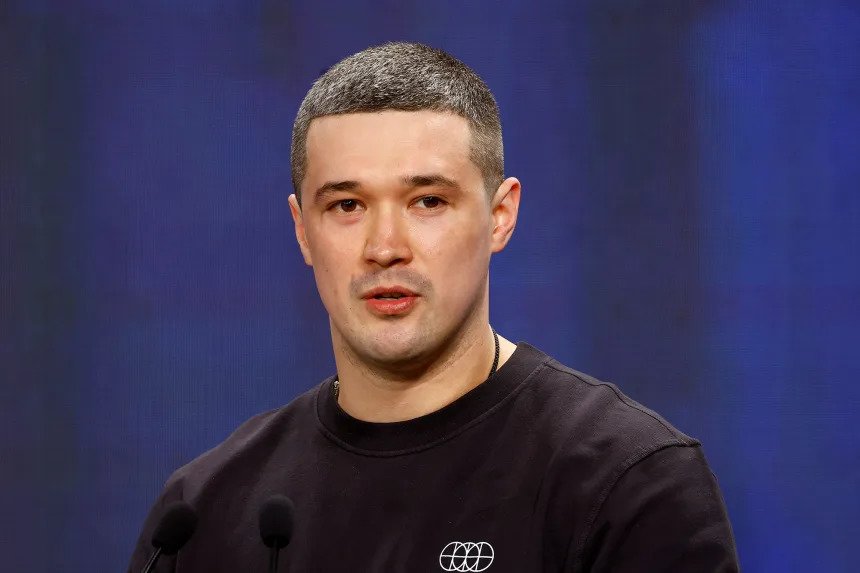
Fedorov, a dynamic and innovative thirty-five-year-old official who previously served as the minister for digital transformation, announced his removal late Wednesday.
The decision, which has shocked Ukraine’s Western allies, exposes a deep-seated rift between Fedorov and the Armed Forces Chief, General Oleksandr Syrskyi.
At a press conference on Thursday, Fedorov launched a scathing public assessment of Syrskyi, accusing the military hierarchy of prioritizing loyalty over data, sabotaging systemic changes, and propagating constant falsehoods.
He further asserted that the notion of Syrskyi holding the frontline is a fake and accused the general of dividing the country rather than formulating a strategy to defeat Russia.
Fedorov's brief six-month tenure was marked by rapid technological integration and structural reform.
He championed domestic start-ups to deploy a vast network of combat drones that successfully blunted Russian advances and disrupted critical energy infrastructure deep inside Russian territory, including oil refineries and pipelines.
Under his leadership, mid-range drones were developed to isolate illegally annexed Crimea, culminating in a drone campaign this week that forced Russia to suspend maritime traffic through the Black Sea gateway.
Fedorov also instituted highly popular but complex personnel reforms, including fixed-term service contracts and significantly increased salaries for infantry and assault forces.
In demonstrating his ministry's achievements, Fedorov stated that his administration procured more drones in four months than in the entire preceding year while establishing dedicated support programs for modern drone-assault units.
In response to the mounting political crisis, Ukrainian President Volodymyr Zelensky acknowledged the public outrage during a press conference on Thursday, which coincided with Russian missile strikes on the capital and a high-profile visit from British Prime Minister Keir Starmer.
Zelensky expressed a desire for unity, admitting that the army and the Defense Ministry had previously communicated only through him due to weaknesses on both sides.
While Zelensky stated he had not yet selected a successor—who would become Ukraine’s fifth defense minister since the 2022 invasion—he expressed confidence that Fedorov would remain on his team in a yet-to-be-determined capacity.
Meanwhile, General Syrskyi issued a restrained statement on Telegram, thanking Fedorov for his service and wishing him well in future governmental roles.
The political fallout has reverberated across both civilian and military spheres.
Hundreds of predominantly young demonstrators gathered in Kyiv to denounce the decision, highlighting that Fedorov's technological initiatives had allowed unmanned systems to bear the brunt of the fighting in place of human soldiers.
Within the armed forces, senior commanders expressed divergent views.
Mykhailo Drapatiy praised the ousted minister for establishing an active partnership that accelerated decision-making and supported battlefield innovation.
Conversely, Pavlo Yelizarov, the Deputy Commander of the Ukrainian Air Force and a prominent drone unit commander, resigned in protest, calling Fedorov's removal a great evil for national defense.
This internal turmoil unfolds against a grim humanitarian backdrop, as the United Nations reported that long-range Russian missile strikes made June the deadliest month for Ukrainian civilians since April 2022, prompting Zelensky to continue pressing allies for advanced air defenses, including US permission to manufacture Patriot interceptor missiles locally.
Fedorov, a dynamic and innovative thirty-five-year-old official who previously served as the minister for digital transformation, announced his removal late Wednesday.
The decision, which has shocked Ukraine’s Western allies, exposes a deep-seated rift between Fedorov and the Armed Forces Chief, General Oleksandr Syrskyi.
At a press conference on Thursday, Fedorov launched a scathing public assessment of Syrskyi, accusing the military hierarchy of prioritizing loyalty over data, sabotaging systemic changes, and propagating constant falsehoods.
He further asserted that the notion of Syrskyi holding the frontline is a fake and accused the general of dividing the country rather than formulating a strategy to defeat Russia.
Fedorov's brief six-month tenure was marked by rapid technological integration and structural reform.
He championed domestic start-ups to deploy a vast network of combat drones that successfully blunted Russian advances and disrupted critical energy infrastructure deep inside Russian territory, including oil refineries and pipelines.
Under his leadership, mid-range drones were developed to isolate illegally annexed Crimea, culminating in a drone campaign this week that forced Russia to suspend maritime traffic through the Black Sea gateway.
Fedorov also instituted highly popular but complex personnel reforms, including fixed-term service contracts and significantly increased salaries for infantry and assault forces.
In demonstrating his ministry's achievements, Fedorov stated that his administration procured more drones in four months than in the entire preceding year while establishing dedicated support programs for modern drone-assault units.
In response to the mounting political crisis, Ukrainian President Volodymyr Zelensky acknowledged the public outrage during a press conference on Thursday, which coincided with Russian missile strikes on the capital and a high-profile visit from British Prime Minister Keir Starmer.
Zelensky expressed a desire for unity, admitting that the army and the Defense Ministry had previously communicated only through him due to weaknesses on both sides.
While Zelensky stated he had not yet selected a successor—who would become Ukraine’s fifth defense minister since the 2022 invasion—he expressed confidence that Fedorov would remain on his team in a yet-to-be-determined capacity.
Meanwhile, General Syrskyi issued a restrained statement on Telegram, thanking Fedorov for his service and wishing him well in future governmental roles.
The political fallout has reverberated across both civilian and military spheres.
Hundreds of predominantly young demonstrators gathered in Kyiv to denounce the decision, highlighting that Fedorov's technological initiatives had allowed unmanned systems to bear the brunt of the fighting in place of human soldiers.
Within the armed forces, senior commanders expressed divergent views.
Mykhailo Drapatiy praised the ousted minister for establishing an active partnership that accelerated decision-making and supported battlefield innovation.
Conversely, Pavlo Yelizarov, the Deputy Commander of the Ukrainian Air Force and a prominent drone unit commander, resigned in protest, calling Fedorov's removal a great evil for national defense.
This internal turmoil unfolds against a grim humanitarian backdrop, as the United Nations reported that long-range Russian missile strikes made June the deadliest month for Ukrainian civilians since April 2022, prompting Zelensky to continue pressing allies for advanced air defenses, including US permission to manufacture Patriot interceptor missiles locally.