
Triple Murder in Southport Sparks Nationwide Anti-immigration Unrest
Teenager Pleads Guilty, Government Launches Public Inquiry Amid Questions About State Oversight
On January 20, 17-year-old Axel Rudakubana pleaded guilty to the murder of three young girls in Southport, a case that ignited violent anti-immigration riots across the United Kingdom.
The murders occurred on July 29, 2024, during a dance class in the northwest of England, causing widespread shock and outrage.
The admission of guilt comes as Rudakubana faces charges of terrorism-related offenses after police discovered an Al-Qaeda manual and ricin, a potent toxin, at his residence.
The trial, initially set to last four weeks, was shortened due to his plea, with sentencing scheduled for Thursday.
British Prime Minister Keir Starmer addressed the nation, acknowledging significant concerns about the state's failure to protect the victims, and expressed the necessity for comprehensive answers.
In response, Home Secretary Yvette Cooper announced the initiation of a public inquiry to assess interactions between government agencies and Rudakubana, who had been known to police and social services since he was 13 years old.
The Conservative opposition leader Kemi Badenoch has demanded a full account of the government's knowledge and actions, while Nigel Farage, leader of the Reform UK party, criticized the government's handling of the case.
Prosecutor Ursula Doyle described Rudakubana's actions as ruthless and noted his lack of remorse.
The tragedy led to the most severe riots in over a decade, fueled by misinformation portraying Rudakubana inaccurately as a Muslim asylum seeker.
In reality, he was born in Wales to Rwandan immigrants.
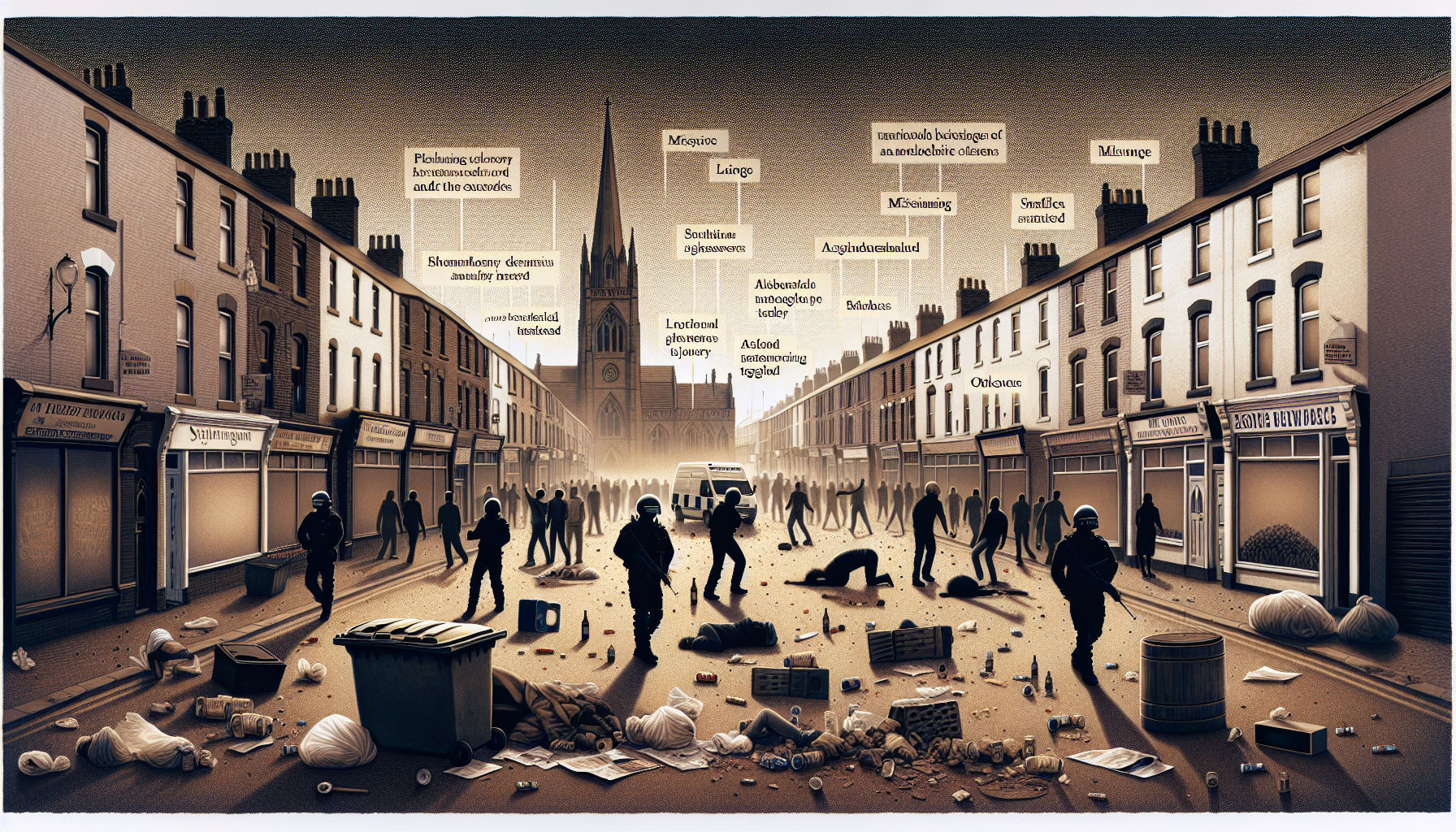
The unrest saw attacks on asylum seeker accommodations and mosques, necessitating a heavy police presence and resulting in clashes with counter-protesters.
By mid-December, over 410 individuals were convicted for offenses related to the riots, with more than 360 receiving prison sentences.
The police oversight body concluded that authorities underestimated the public disorder potential and the impact of false information.
The incident, considered one of the worst knife attacks in recent UK history, also resulted in injuries to ten others, including eight children.
In August, King Charles III visited the survivors in a show of solidarity.
The murders occurred on July 29, 2024, during a dance class in the northwest of England, causing widespread shock and outrage.
The admission of guilt comes as Rudakubana faces charges of terrorism-related offenses after police discovered an Al-Qaeda manual and ricin, a potent toxin, at his residence.
The trial, initially set to last four weeks, was shortened due to his plea, with sentencing scheduled for Thursday.
British Prime Minister Keir Starmer addressed the nation, acknowledging significant concerns about the state's failure to protect the victims, and expressed the necessity for comprehensive answers.
In response, Home Secretary Yvette Cooper announced the initiation of a public inquiry to assess interactions between government agencies and Rudakubana, who had been known to police and social services since he was 13 years old.
The Conservative opposition leader Kemi Badenoch has demanded a full account of the government's knowledge and actions, while Nigel Farage, leader of the Reform UK party, criticized the government's handling of the case.
Prosecutor Ursula Doyle described Rudakubana's actions as ruthless and noted his lack of remorse.
The tragedy led to the most severe riots in over a decade, fueled by misinformation portraying Rudakubana inaccurately as a Muslim asylum seeker.
In reality, he was born in Wales to Rwandan immigrants.
The unrest saw attacks on asylum seeker accommodations and mosques, necessitating a heavy police presence and resulting in clashes with counter-protesters.
By mid-December, over 410 individuals were convicted for offenses related to the riots, with more than 360 receiving prison sentences.
The police oversight body concluded that authorities underestimated the public disorder potential and the impact of false information.
The incident, considered one of the worst knife attacks in recent UK history, also resulted in injuries to ten others, including eight children.
In August, King Charles III visited the survivors in a show of solidarity.