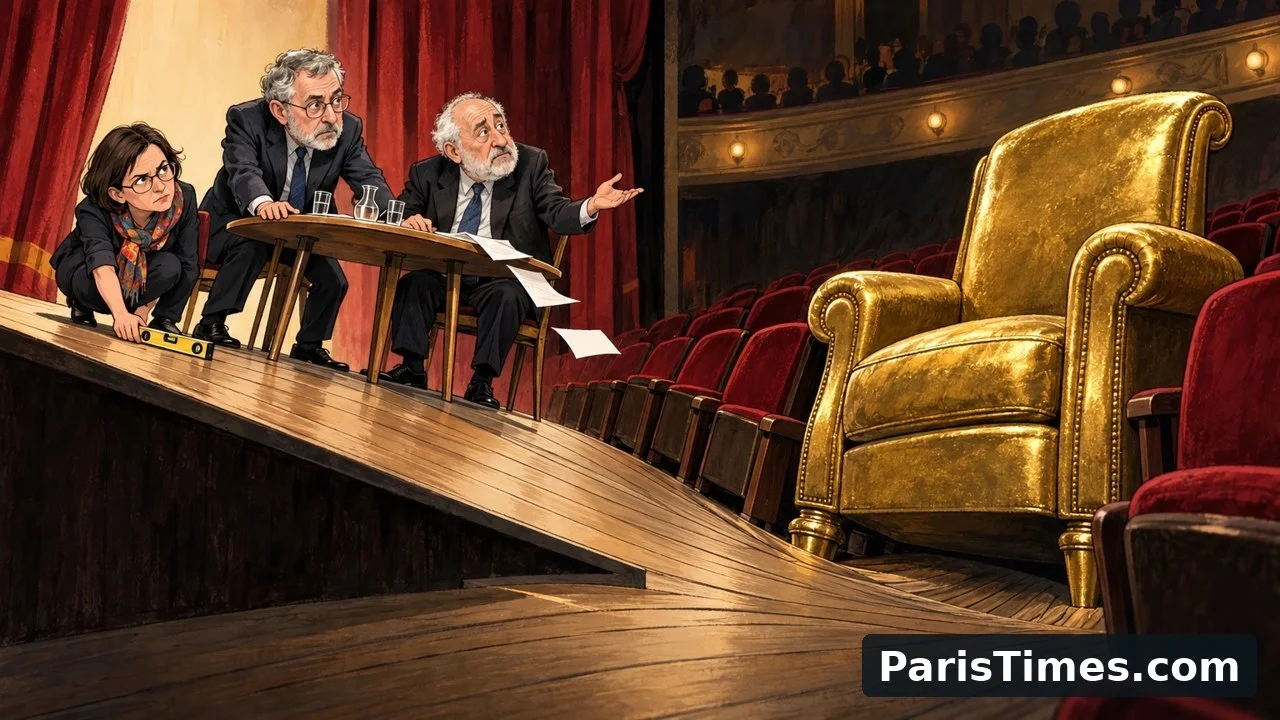
The United Kingdom and the European Union have reached agreements in Brussels on a carbon tax, youth mobility and the restoration of a common sanitary and phytosanitary area covering human, animal and plant health. But finalizing those deals still depends on an unresolved negotiation: reducing tuition fees for European students at British universities.
The advances, secured after about 10 months of intense negotiations, were presented on Friday, November 20, at the EU–UK summit. They mark a step toward closer relations between London and Brussels, rather than a fully settled package. The university negotiations still determine whether the other agreements can be finalized.
In Brussels, British Prime Minister Andy Burnham received a ceremonial welcome: a string quintet, the British national anthem and the European anthem. Against the EU’s blue flag with its 12 gold stars and the Union Jack, he appeared alongside European Commission President Ursula von der Leyen and European Council President Antonio Costa.
Ten years after the Brexit vote and five years after the United Kingdom’s effective departure from the EU, the Labour leader made little effort to hide his satisfaction. Closer relations with the EU have been one of his stated priorities at the start of his term.
Costa told him he was “not only welcome in Brussels, but always welcome in the European Union.” Burnham hailed “a good day for Britain and for Europe” and a “historic agreement” that would rebuild “the bridges that were broken so many years ago.”
Von der Leyen described a “turning point” in relations with London and “concrete results” for both sides. The declarations of reconciliation now face a specific condition: reaching agreement on the cost of studying in Britain for European students so the announced commitments can be finalized.